시간역사적 인용명언한국어 번역
마르쿠스 아우렐리우스의 문장
삼천 년을 살든 삼만 년을 살든, 사람은 지금 사는 삶 말고 다른 삶을 잃지 않으며 지금 잃는 삶 말고 다른 삶을 살지도 않는다는 점을 기억하라. 그래서 가장 긴 삶과 가장 짧은 삶도 이 점에서는 같아진다. 소멸하는 삶 자체는 서로 달라도 현재는 모두에게 같으므로, 잃는 것은 한순간에 불과해 보인다. 사람은 과거도 미래도 잃을 수 없다. 가지고 있지 않은 것을 누가 빼앗을 수 있겠는가? 이 두 가지를 명심하라. 첫째, 모든 것은 영원 전부터 비슷한 형태로 원을 그리며 되풀이되며, 같은 일들을 백 년 보든 이백 년 보든 무한히 오래 보든 아무 차이가 없다. 둘째, 가장 오래 사는 사람과 가장 빨리 죽을 사람이 잃는 것은 꼭 같다. 사람이 가진 것이 현재뿐이고 갖지 않은 것은 잃을 수 없다는 말이 참이라면, 빼앗길 수 있는 것도 현재뿐이기 때문이다. 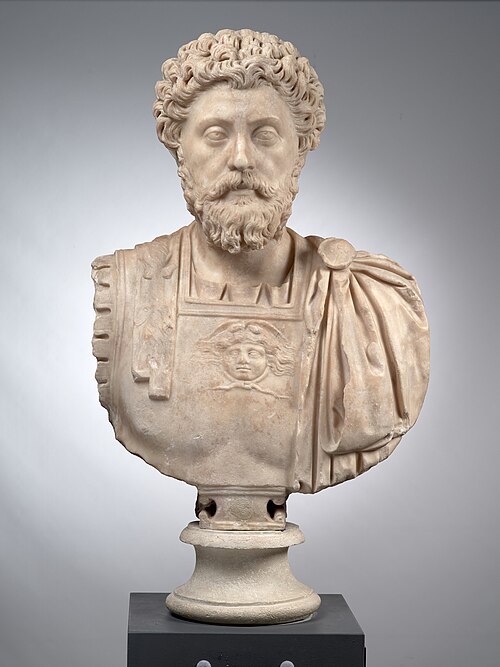
Meditations (명상록)
좋아요는 공감의 표시이며 정확성을 보증하지 않습니다. 저장은 나만 볼 수 있습니다.
원문
Though thou shouldst be going to live three thousand years, and as many times ten thousand years, still remember that no man loses any other life than this which he now lives, nor lives any other than this which he now loses. The longest and shortest are thus brought to the same. For the present is the same to all, though that which perishes is not the same; and so that which is lost appears to be a mere moment. For a man cannot lose either the past or the future: for what a man has not, how can anyone take this from him? These two things then thou must bear in mind; the one, that all things from eternity are of like forms and come round in a circle, and that it makes no difference whether a man shall see the same things during a hundred years or two hundred, or an infinite time; and the second, that the longest liver and he who will die soonest lose just the same. For the present is the only thing of which a man can be deprived, if it is true that this is the only thing which he has, and that a man cannot lose a thing if he has it not. 원문 언어: en · 번역자: Mera 작업용 새 한국어 번역 (AI)